I’m still processing our recent road / train trip out west and back. In mid-April, Tim and I rented a car and drove to the Denver, Colorado area to visit a friend, then to Tucson, Arizona by way of Santa Fe, New Mexico to visit our son. We returned home on the Amtrak train, the Texas Eagle.

The road trip remains my favorite way to travel. Train is second. Flying a distant—and preferably avoided—third.

I know, sometimes flying is necessary. It’s often faster and cheaper, particularly if the road-driving alternative is more than two days. But for me, getting there really is half the fun. And flying is not as fun.

Here are my Top 15 Reasons Why This Road Trip Was Better Than Flying.

In almost chronological order

1. Pizza at a fancier-than-anticipated Italian restaurant in Hannibal, Missouri, hometown of Mark Twain.

2. Visiting the Pony Express memorial in Julesburg, Colorado. Check out how I used a cloud to enhance the image! What’s even better? It was so bright and sunshiney, I didn’t realize what I’d caught until looking at the photos later.
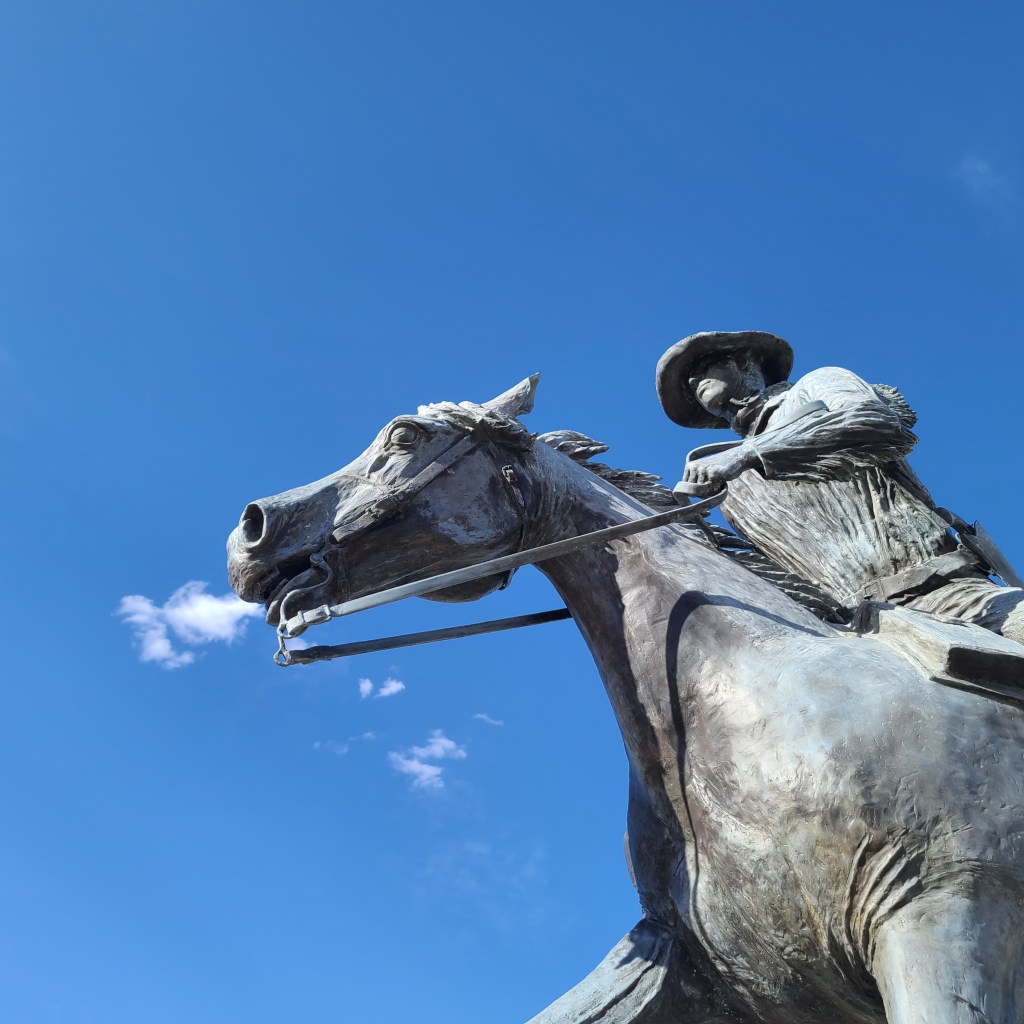
A close-up of the horse and rider with a cloud enhancing the image.

3. Conifer Café in Conifer, Colorado. What a cool little café! It has the best indoor décor. And swings! And super nice and friendly customers.

4. Colorado coffee shops generally. Coloradoans brew a good cup of coffee!

5. Being able to stop the car and get out to play in a mountain stream that ran by the road in the Rockies.
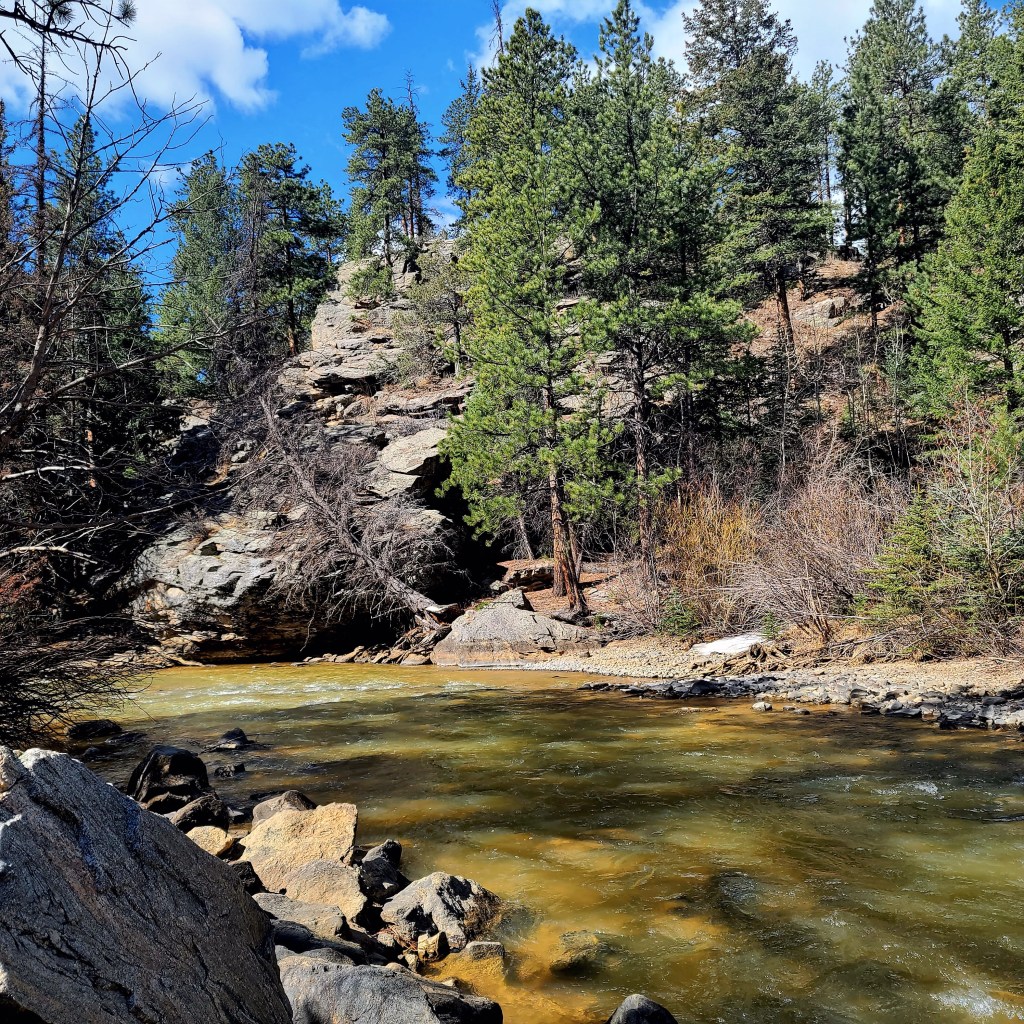
6. Holding a snowball at Kenosha Pass in the Rockies.

7. Seeing wild pronghorn antelope roadside! And elk! I’d never seen wild pronghorns before, thrilling experience for me.

8. Breakfast at Cafe Pasqual’s in Santa Fe, after a lovely evening in a casita in Tesuque, New Mexico.

9. El Malpais National Monument, New Mexico. I had not heard of El Malpais. We plan to return.
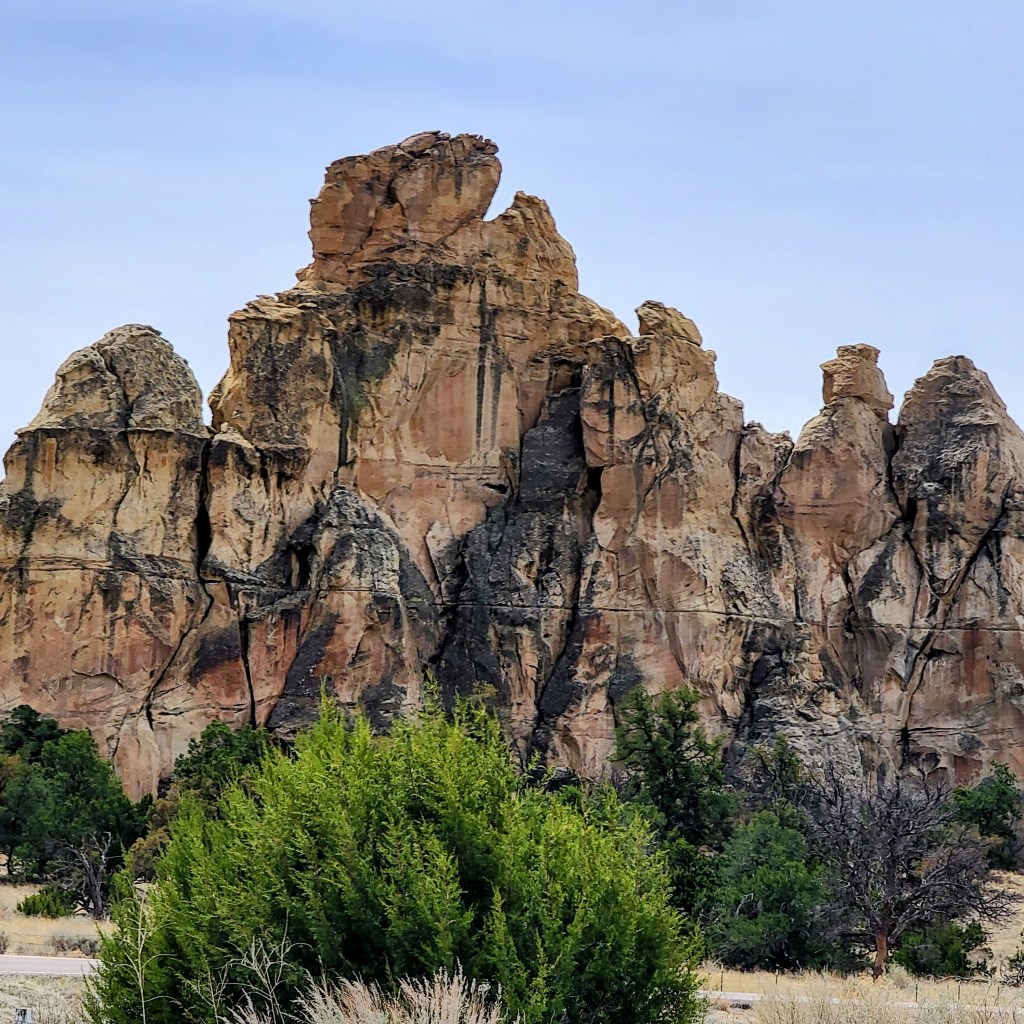
9. Wild horses! In Salt River Canyon

10. Salt River Canyon! And Corduroy Canyon and Cedar Canyon. I was thoroughly unprepared for this. We’re driving along and all of a sudden there’s a beautiful canyon roadside. For miles. Followed by another. And then another!
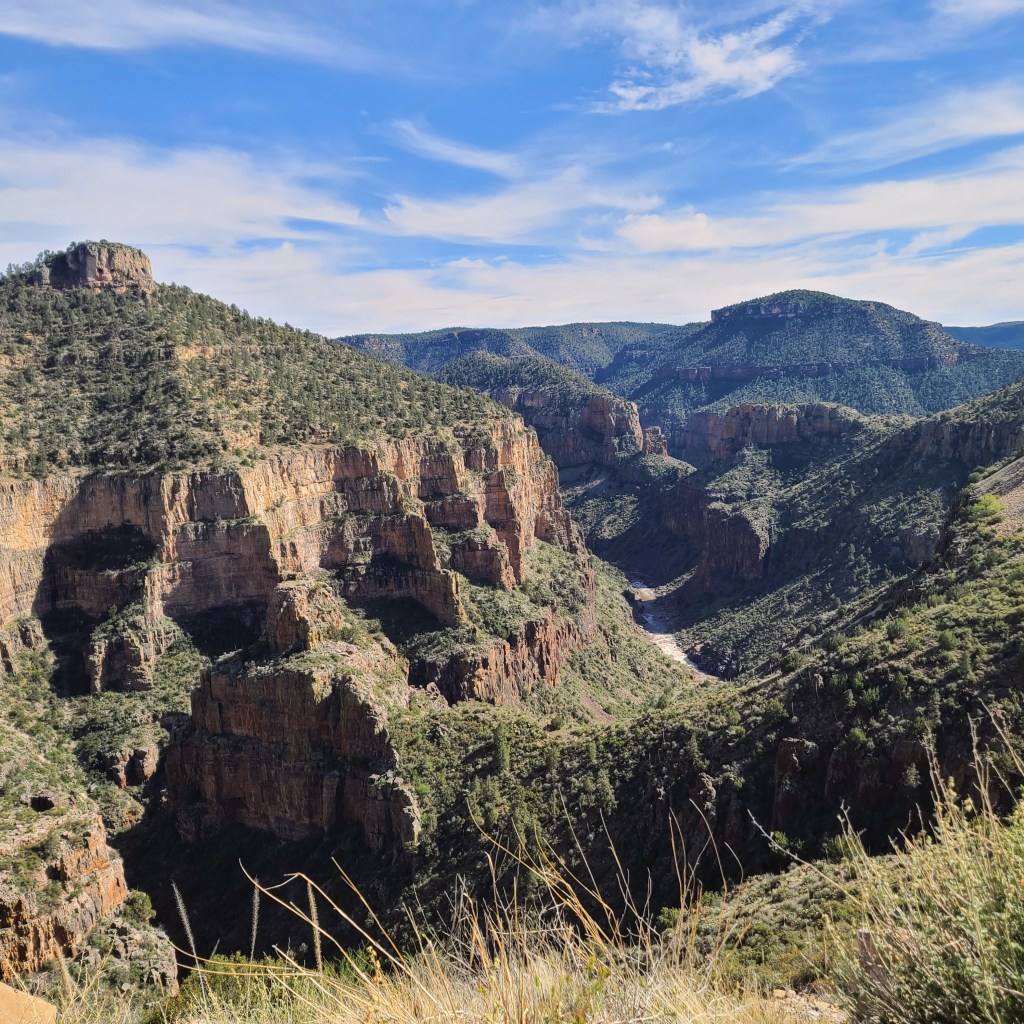
11. Roadside fry bread. We took US 60, which included the Salt River Canyon and the Apache-Sitgreaves National Forests and the Fort Apache Reservation. Somewhere along that route, while still marveling over the canyons, we stopped at a roadside vendor for some Native frybread—which I’d been eager to try. It tastes better when you are eating it canyon-side. If only I’d taken a picture!

12. Trying a regional fastfood chain—Runzas. German sandwiches. (Think Michigan pasty and you are close to what we had.)

13. The salsa at Booga Red’s in Springerville, AZ

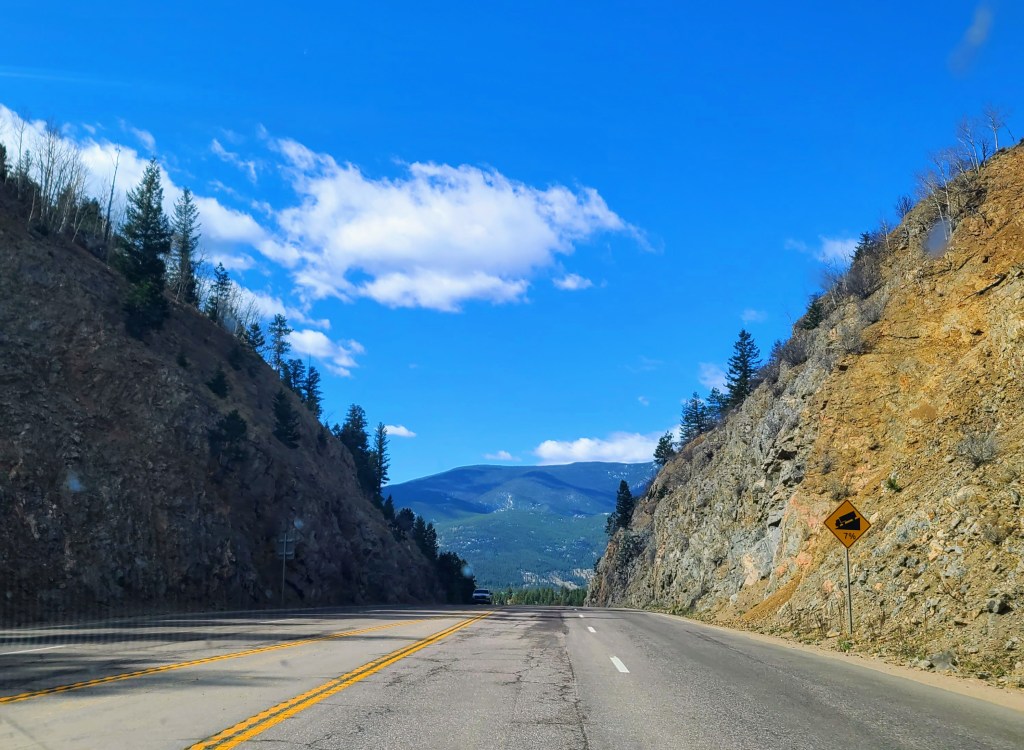
14. Driving through mountains for two days.
15. No waiting at an airport.

And then, of course, there’s the destination. We had a great visit with Will and Jensen and Ernie the Good Dog. That’s for another blog.

On a recent road trip (honeymoon!) my husband (omg, I’m married!) and I stopped for the night in Tupelo, Mississippi, Elvis Presley’s hometown. There is a statue of Elvis there commemorating his 1956 homecoming concert. We stopped in to see it.

So much associated with Elvis is over-the-top, commercialized, glittery to the point where it’s hard to tell if it’s mockery, idolatry, or an extension of Colonel Tom Parker’s vision for Elvis. It’s hard, sometimes, to see authenticity.

But I did in Tupelo.

Joe Makowski was “lucky enough to have seen Elvis 81 times!” That’s true devotion. That’s love.

Laura O’Dwyer from Ireland, dedicated a brick at the statue just this year (2022), and says, “Elvis thank you for sharing your music and love.”

Every dedicated brick in the walkway has a similar message of gratitude for music shared.

Elvis grew up dirt poor. His family was into country music, and he got into gospel and rhythm & blues he heard in black communities in Tupelo.

Did white America find it easier to love Elvis than black blues and rhythm and blues musicians? I’m sure that was a factor in Elvis’ success. But I’m not convinced it was his “fault.” Elvis loved the music that was around him as he was growing up, he had an amazing voice, a genuine musical interpretation, he was charismatic, he worked hard and he got lucky.

Elvis’ music was a unique blend of the musical styles he loved, and it had a whole lot to do, not just with the birth of rock & roll in this country, but also with the “British Invasion” in the 1960s that brought The Beatles and the Rolling Stones to America. Love him or hate him, but to deny his musical influence is willfully silly.

That’s not to downplay other musicians. We wouldn’t have rock & roll without Little Richard’s flamboyant combination of gospel and blues. Nor would it sound the same without Chuck Berry’s riffs. And there is a long list of black blues musicians without whom we wouldn’t have rock & roll, or outlaw country, or heavy metal, or rap, or huge sections of pop music.

I walked around Elvis’ statue, reading the 3-line tributes on the paving bricks. And I see love. People love Elvis. His black-velvet voice, as it’s been called. For what he stirred in their hearts. And that’s real. Because here’s the thing – it doesn’t matter if he doesn’t move you, if you hate Elvis, if you think his music sucks, if you think he’s overrated. There was an authenticity there that spangles and capes and the Colonel couldn’t cover up.  

I was thinking that day, what if Elvis hadn’t been as famous? If instead of a phenomenon, he’d been simply part of a larger musical movement? Would our world look different, maybe less divided? It seems ungrateful to wish Elvis’ fame had lifted others along more than it did. And yet, I wonder if, without the Colonel’s big fame vision, it might have.

Elvis was a true cultural catalyst. He embodied the necessary combination at that time and in that place that turned a musical style into a revolution.

But he paid for it with his life. And that’s a tragedy.